Boyle Street and McCauley Neighbourhood Renewal
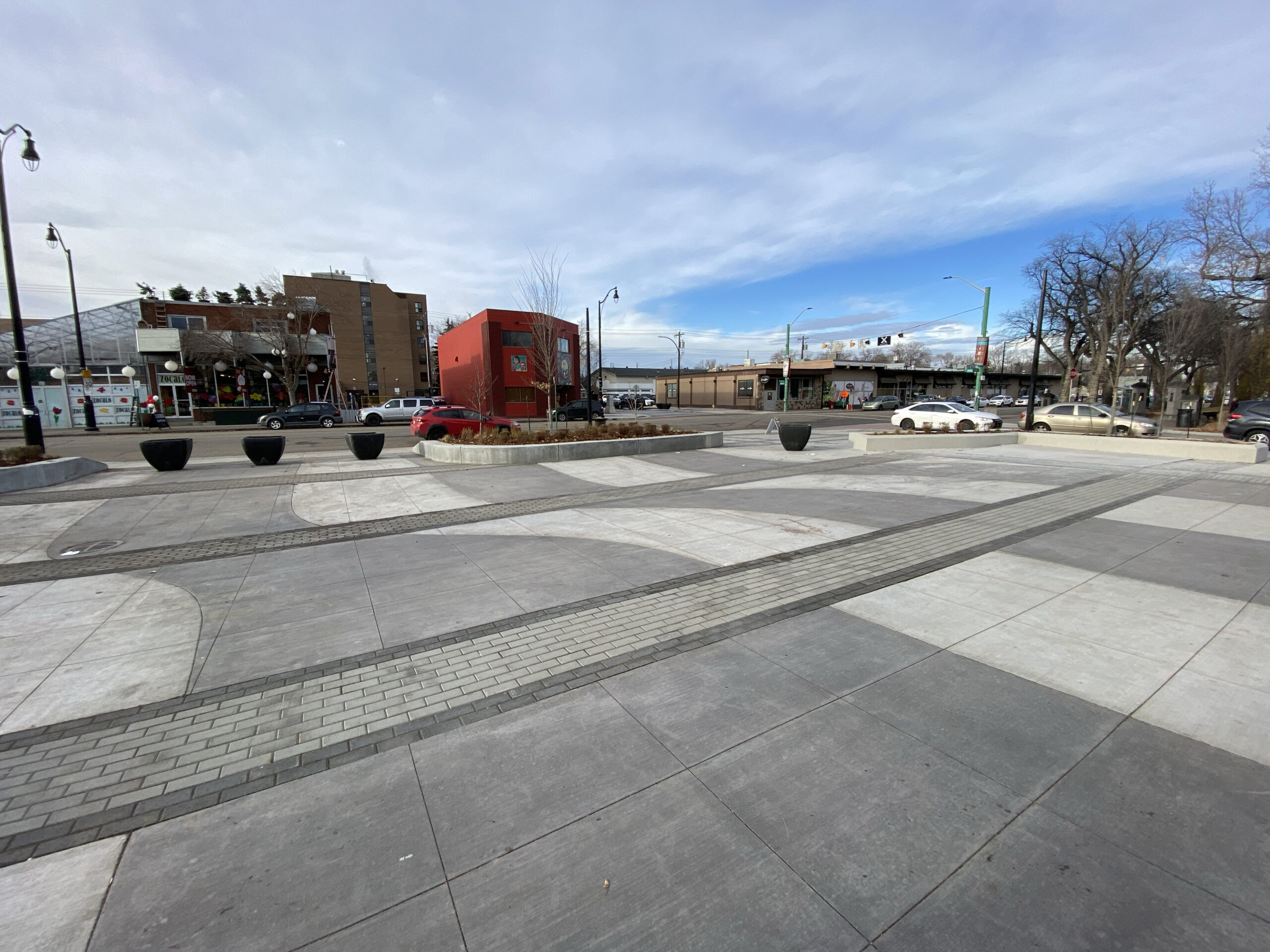
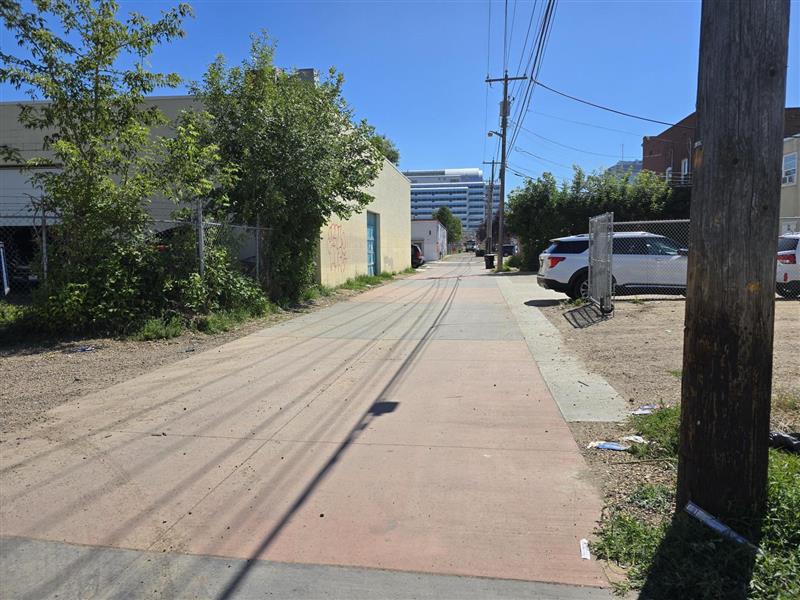
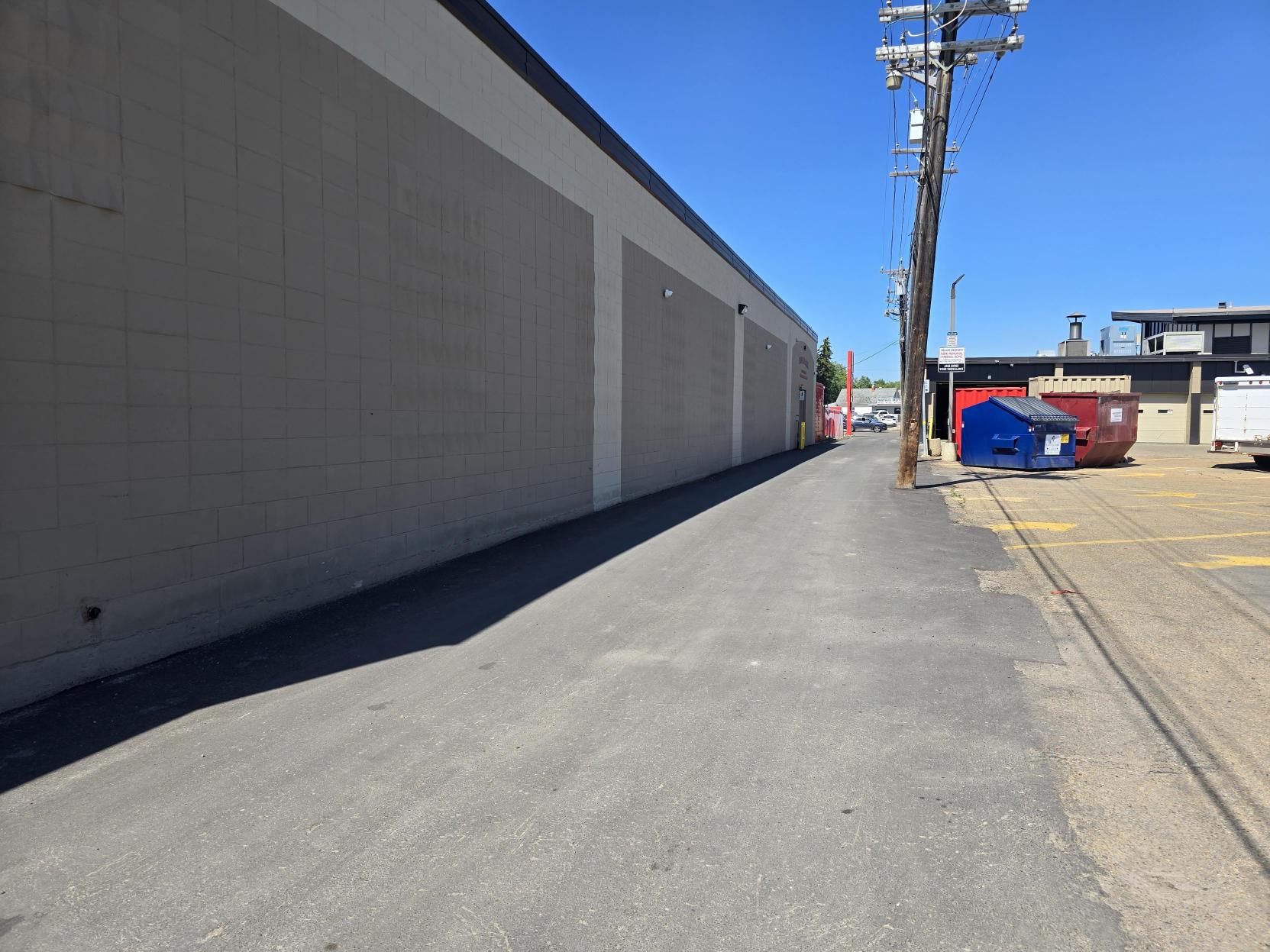
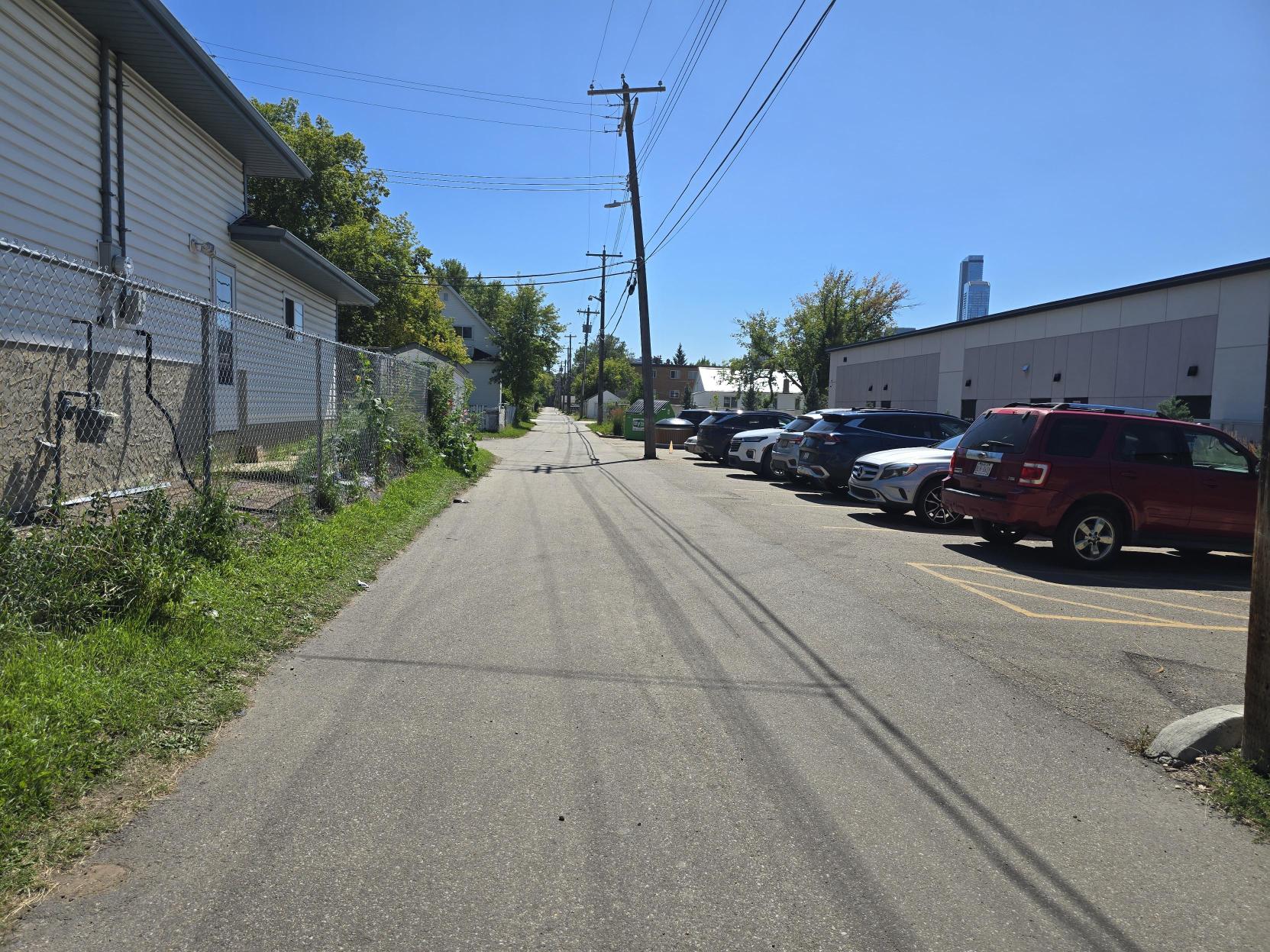
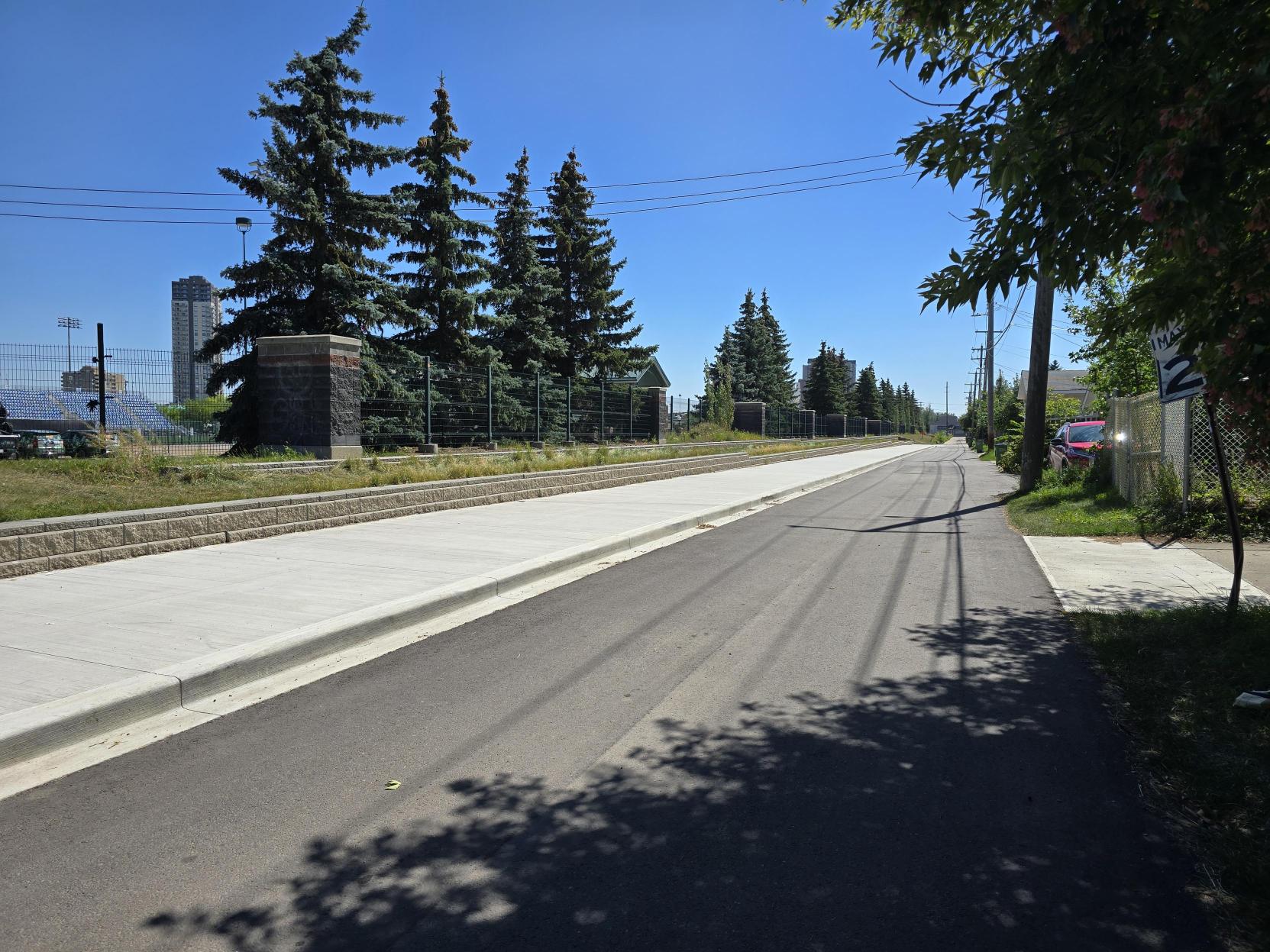
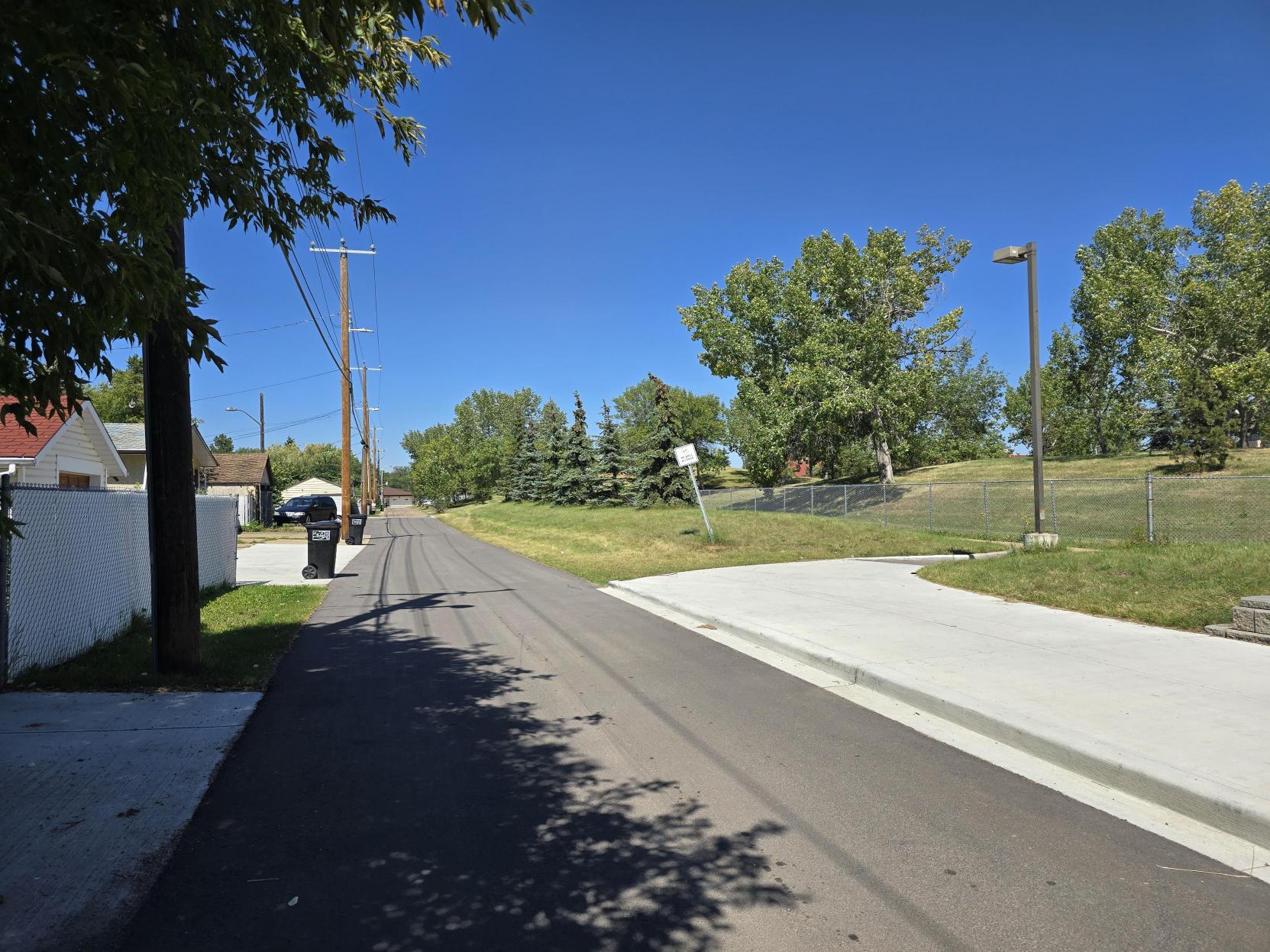
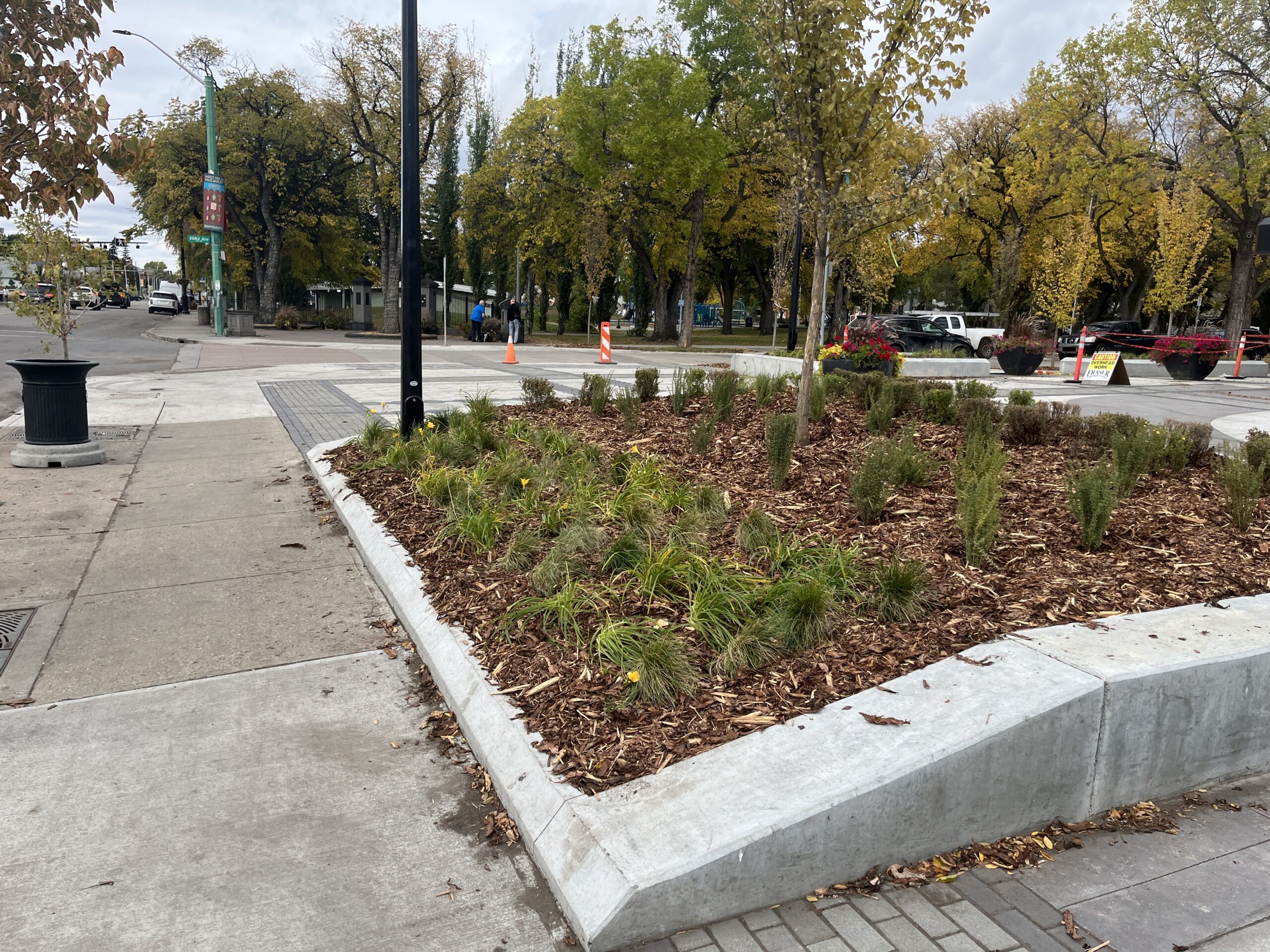
Just steps from Edmonton’s downtown core, the neighbourhoods of Boyle Street and McCauley are rich in history, culture, and community spirit. Like many older urban areas, they face aging infrastructure, changing transportation needs, and the challenge of supporting both residents and local businesses. This renewal proejct moves beyond simple replacement to reimagine these neighbourhoods for the future. Safer, more welcoming routes for people walking and cycling encourage healthy, sustainable travel, while green infrastructure helps manage stormwater and reduce environmental impacts. Parks, open spaces, and traffic calming measures create more comfortable places to gather, connect, and move safely through the community.
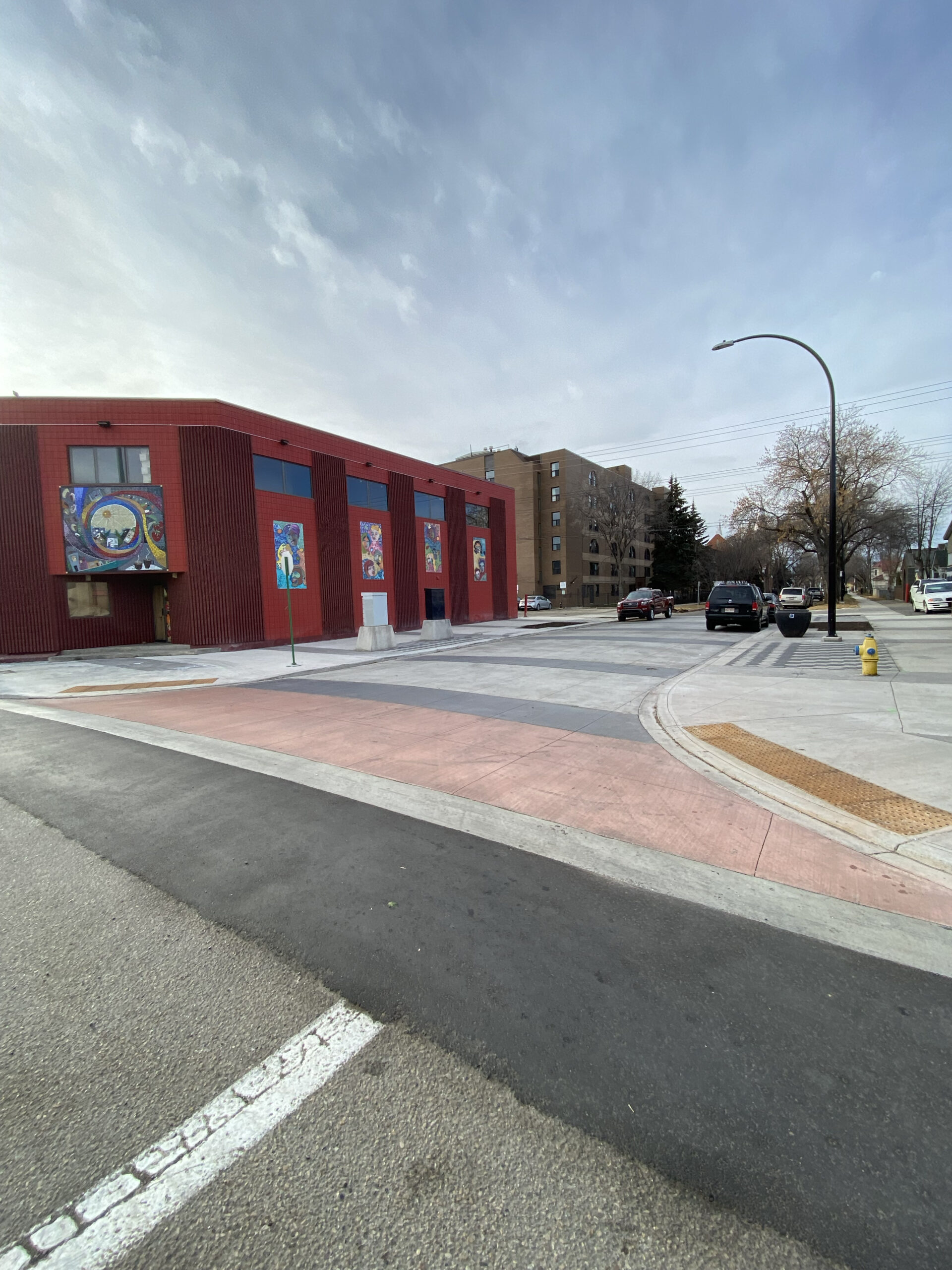
The project also recognizes that Boyle Street and McCauley are cultural destinations in their own right. Special character areas such as Chinatown, Little Italy, Church Street, and Okîsikow (Angel) Way each received tailored design responses that honour local heritage while supporting contemporary urban life. This comprehensive approach earned an Honourable Mention at the 2023 Edmonton Urban Design Awards for Urban Design Analysis and Preliminary Design and has helped strengthen connections between Edmonton’s sports, arts, civic, and entertainment districts. By pairing infrastructure renewal with cultural respect, sustainability, and transit‑oriented growth, the Boyle Street and McCauley Neighbourhood Renewal sets a new standard for community‑focused urban design.
In November 2025, a key portion of the project was further recognized when the Okîsikow (Angel) Way Urban Design Plan received an Award of Merit in the Urban Design Plans category at the Edmonton Urban Design Awards. This recognition highlights how a routine infrastructure renewal evolved into a meaningful, reconciliation‑focused corridor through close collaboration with the City’s Indigenous Relations Office, Elders, knowledge keepers, and local partners. Okîsikow (Angel) Way now anchors the corridor with spaces for ceremony, reflection, and gathering, weaving Indigenous worldviews, symbolism, and land‑based knowledge into the public realm. By elevating this segment into a culturally resonant and resilient streetscape, the plan strengthens community connections, supports safer and more welcoming movement, and reinforces the city’s commitment to reconciliation through everyday urban infrastructure.